
Cuba encyclopedia · Traditions
Abakuá
1836first lodge, in Regla
Calabarits African roots
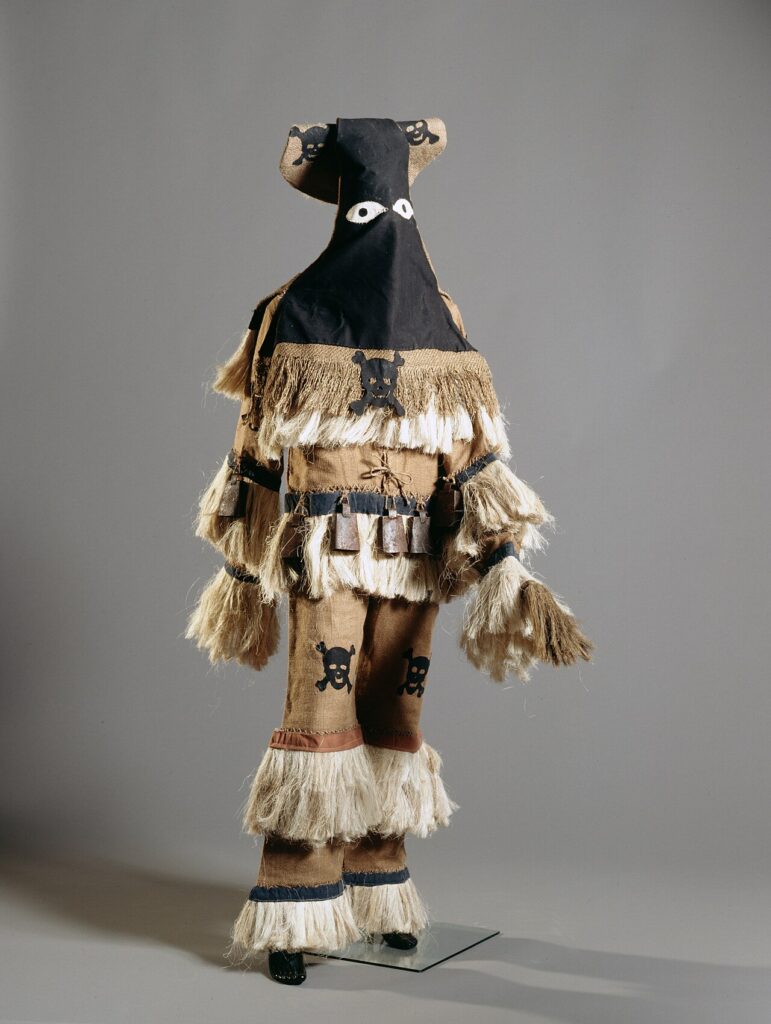
Íremethe masked dancer
In short
A brotherhood of men
From Calabartoday’s Nigeria and Cameroon
Mutual aid and secrecymembers owe each other loyalty
Around the portsHavana, Matanzas, Cárdenas
Key words
The Abakuá world in four words
Írememasked dancer, also called “diablito”

Potenciaeach lodge, or “juego”

Drumsenkomo and bonkó drive the rhythm

Reglabirthplace of the brotherhood in Cuba

With respect
Our team’s tipAbakuá ceremonies are not shows.They are reserved for initiates.
Our team’s tipYou can also see the íreme in museums and dance shows.
Our team’s tipAlways ask before taking photos.
Go further
Read next
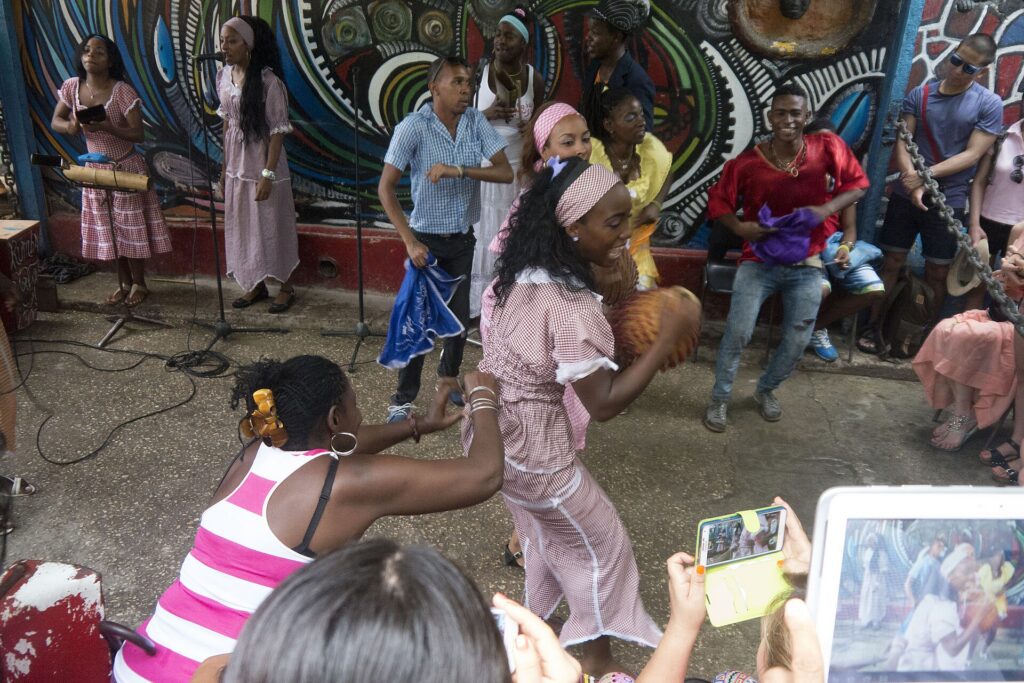
RumbaAfro-Cuban drums, song and dance.Read the entry →

SanteríaThe Afro-Cuban religion of the orishas.Read the entry →
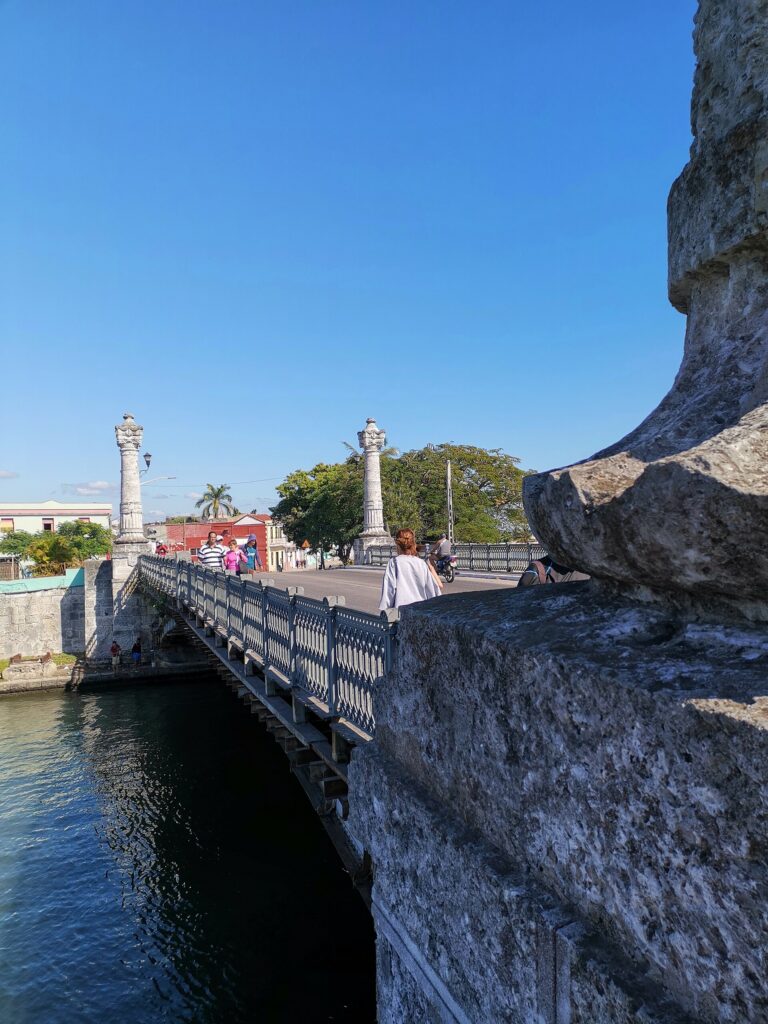
MatanzasThe city of bridges, cradle of rumba.Things to do in Matanzas →
Your questions
What is Abakuá?
An Afro-Cuban men’s initiatory society based on mutual aid and secrecy. It descends from the leopard societies (Ekpe) of the Calabar region of West Africa.
When and where was Abakuá born in Cuba?
The first lodge was founded in 1836 in Regla, across Havana Bay. The brotherhood then spread to Havana, Matanzas and Cárdenas.
What is an íreme?
A masked dancer in a patterned costume and conical hood who represents an ancestral spirit. Also called “diablito”, he has become a figure of Cuban art.
What mark has Abakuá left on Cuban culture?
Its rhythms have fed into rumba and popular music, and several words of Cuban Spanish are thought to come from its ritual language.

Free adviceNo commitment, no feeReply within 24 hOur team lives in HavanaDrawn to Afro-Cuban culture? Let’s build your trip.Message us on WhatsAppOur team is based in Havana. Reply within 24 h, in English, French, Spanish and Portuguese.
 Cuban rumba
 Santería