
Half day
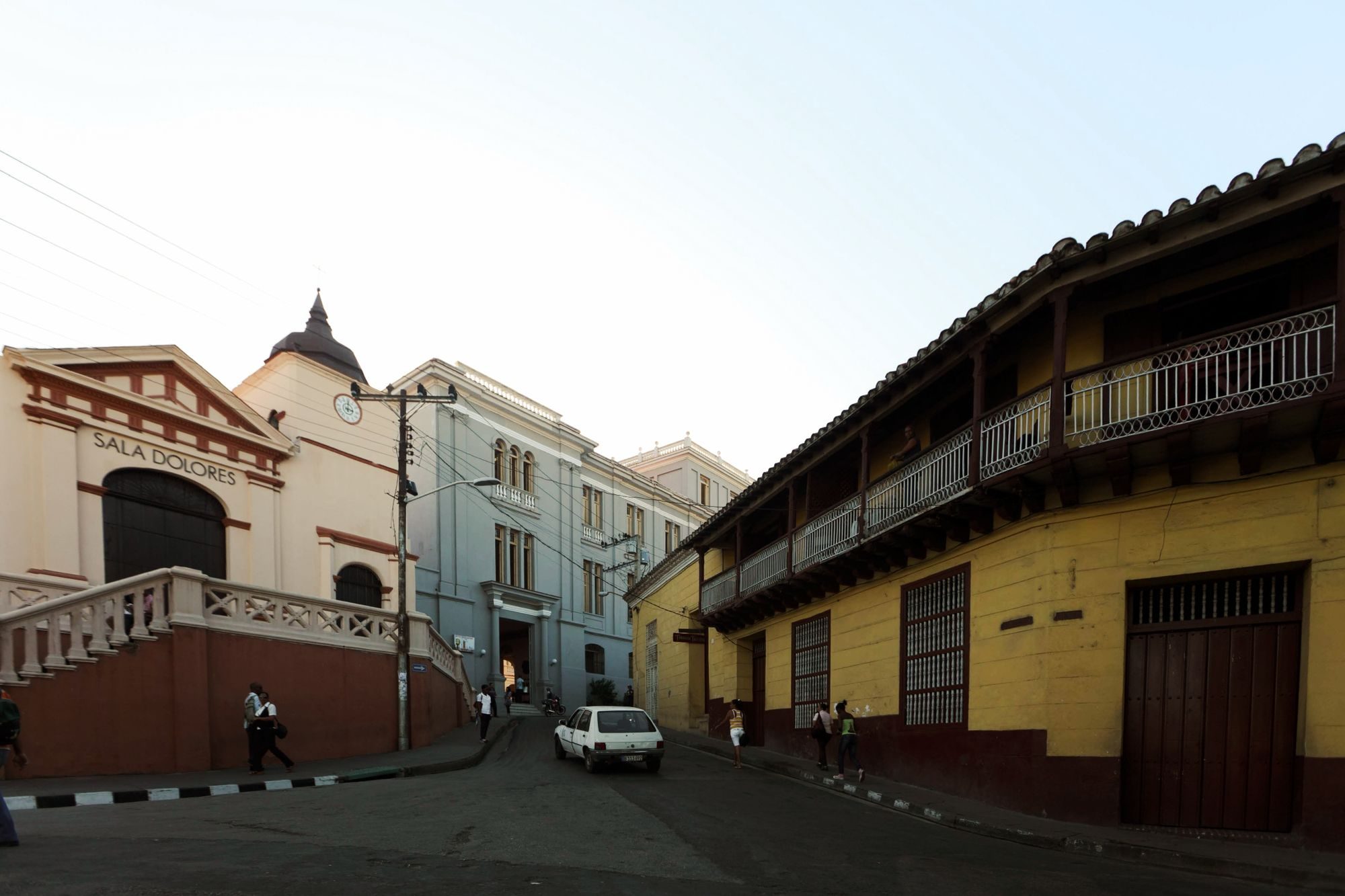
Stroll through the historic center
From Parque Céspedes to Calle Heredia, then the Padre Pico steps up to the Tivolí.

the cradle of son music
Cuba's second city and the cradle of its music, Santiago blends hilly streets, revolutionary history and nights of son, between the Caribbean Sea and the Sierra Maestra.
Cuba's first capital, set on hills around a wide bay, and the cradle of son and trova.
Cathedral, city hall and Casa de Diego Velázquez, the starting point of your walks.
Son, trova and bolero almost every evening on Calle Heredia.
A 17th-century fortress at the mouth of the bay, about 10 km away.
Our selection of must-sees, approved by our local team.
From Parque Céspedes to Calle Heredia, then the Padre Pico steps up to the Tivolí.
On Calle Heredia, son, bolero and trova follow one another. Few people stay seated.
Ramparts, cannons and vaulted rooms at San Pedro de la Roca, then sunset over the sea.
The Moncada Barracks and museum, then the changing of the guard at Santa Ifigenia Cemetery.
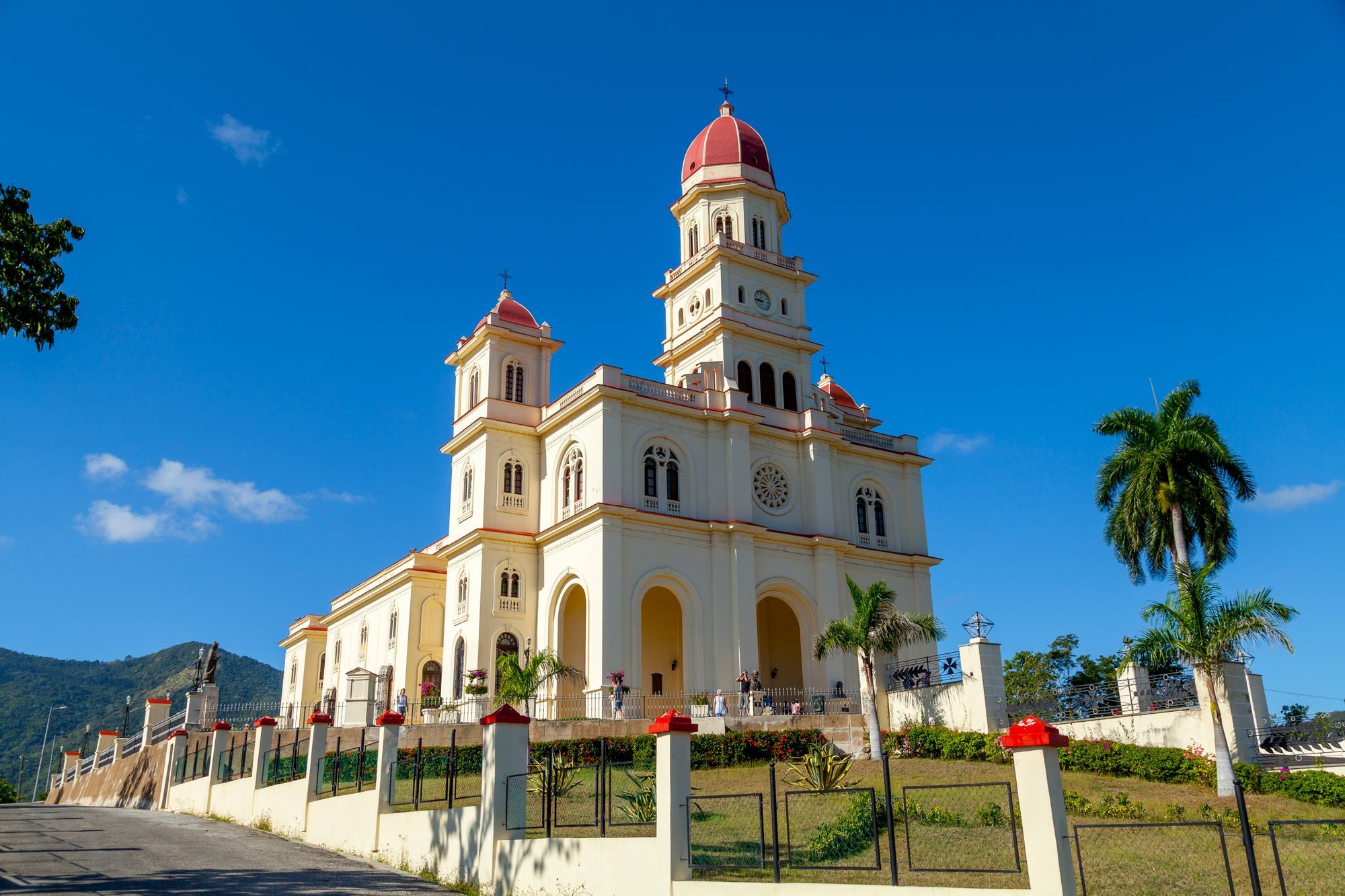
Some twenty kilometers away, the sanctuary of the Virgin of Charity, Cuba's patron saint.
A mountain road to La Gran Piedra, over 1,200 m, and the La Isabelica plantation.
Santiago de Cuba on the map of Cuba, with driving times from the nearby stops. Times are approximate.
The heart of Santiago, between cathedral and city hall. Sit in the shade and watch the city.
One of Cuba's oldest houses, with wooden balconies and a museum of colonial life.
The Calle Heredia venue where trovadores and son bands take turns. Listen first, then dance.
Barracks attacked on July 26, 1953, now a school and a museum.
Resting place of José Martí, Céspedes and Fidel Castro. Changing of the guard at Martí's mausoleum.
A 17th-century UNESCO fortress, 10 km from the center, overlooking the mouth of the bay.
Guesthouses, hotels, lodges. Every address is visited by our team before we recommend it.
Guesthouses around Parque Céspedes and the Tivolí: rooftop terrace, homemade breakfast.
Hotels in historic buildings near Parque Céspedes, to do everything on foot.
A quiet residential district with tree-lined streets, a few minutes by taxi from the center.
Real review, excerptGoing to Cuba is an exceptional experience. An endearing, cheerful country where music is everywhere, with extraordinary nature. Welcoming, warm people.
Marie Pierre J June 2025
Comfortable shoes and a hat, long walks in the morning and late afternoon.
For the Morro, El Cobre or La Gran Piedra, we arrange the driver and route.
At the end of the day, the light turns the rooftops and bay golden.
Diego Velázquez founds the city, Cuba's first capital.
French planters and enslaved people from Haiti bring coffee and the tumba francesa.
Attack on the Moncada Barracks, July 26.
On January 1, Fidel Castro announces victory from the city hall.
Everything you need to know before visiting Santiago de Cuba.
The quickest way is a domestic flight from Havana, about 1h30. Antonio Maceo airport is a few kilometers south of the center. By road, it is about 850 km: a beautiful journey across the island, best split into one or two stops.
Less than Havana, and that is a big part of its charm. It is a lively port city full of music, where you will mostly meet Santiagueros. You will find everything you need for a comfortable stay, with a very local feel.
Yes. East of the city, the coast of Siboney and Baconao Park has several small beaches, about half an hour's drive or more depending on the beach. They are simple, quiet beaches that Santiago families love on weekends.
3 to 4 days let you enjoy the center, the music and the main excursions (Morro, El Cobre, La Gran Piedra). With two days, you already get a real taste of the city and its nights.
Yes, and it is all about music. The Casa de la Trova and Calle Heredia are where the evening starts, and the music often spills into the nearby streets and the Tivolí neighborhood. The mood is festive and warm.
Allow 3 nights for a balanced stay. One day for the historic center (Parque Céspedes, Casa de Diego Velázquez, Calle Heredia) and the history sites (Moncada, Santa Ifigenia), half a day for El Cobre, a late afternoon at the Morro, and a day out to La Gran Piedra or Baconao.
From November to April, the weather is drier and temperatures milder, ideal for walking and climbing La Gran Piedra. July is festival month, with the Festival del Caribe followed by the carnival. July and August are also the hottest months, and September to October is the rainy season, with showers that are often short.
Santiago lies about 850 km east of Havana. A domestic flight is the simplest way to save time. By road, in a private taxi or a shared taxi, the journey is best enjoyed in several stages, for example in Santa Clara or Camagüey. AzuuucA arranges the transfers.
Guesthouses in the center and in Vista Alegre offer the best value (30-150 USD/€ per night), with terraces, a family welcome and homemade breakfast. A few hotels in the historic center round out the options. Book through AzuuucA for personalized advice.
A guide is optional, and truly valuable for the Moncada Barracks, Santa Ifigenia Cemetery or La Gran Piedra. A local guide brings the city's characters, stories and music to life. Allow 2-3 hours for a tour of the center.
To the east, La Gran Piedra and the UNESCO-listed French-Haitian coffee plantations, then Baconao Park, a biosphere reserve with beaches and lagoons. To the west, the Basilica of El Cobre and the Sierra Maestra, where keen hikers can plan the climb of Pico Turquino, Cuba's highest peak. Plan a full day for each mountain excursion.
Yes, it is Cuba's great pilgrimage site. The Virgin of Charity of El Cobre, the island's patron saint, has been venerated here for centuries, and the offerings left by the faithful are very moving. About 20 km from the city, it makes an ideal half-day trip.
Both take place in July. The Festival del Caribe, early in the month, brings together musicians and dancers from across the Caribbean and ends with the "quema del diablo", the burning of the devil. The carnival follows in the second half of the month, with its comparsas, congas and parades. Dates vary from year to year: we confirm them when we plan your trip.
Guesthouse: 30-150 USD/€ per night. For meals, paladares in the center have menus for every budget. The rest depends mainly on your excursions (Morro, El Cobre, La Gran Piedra) and how you choose to get around. We prepare a clear quote, tailored to your pace.