Skip to content
Contact us on WhatsApp
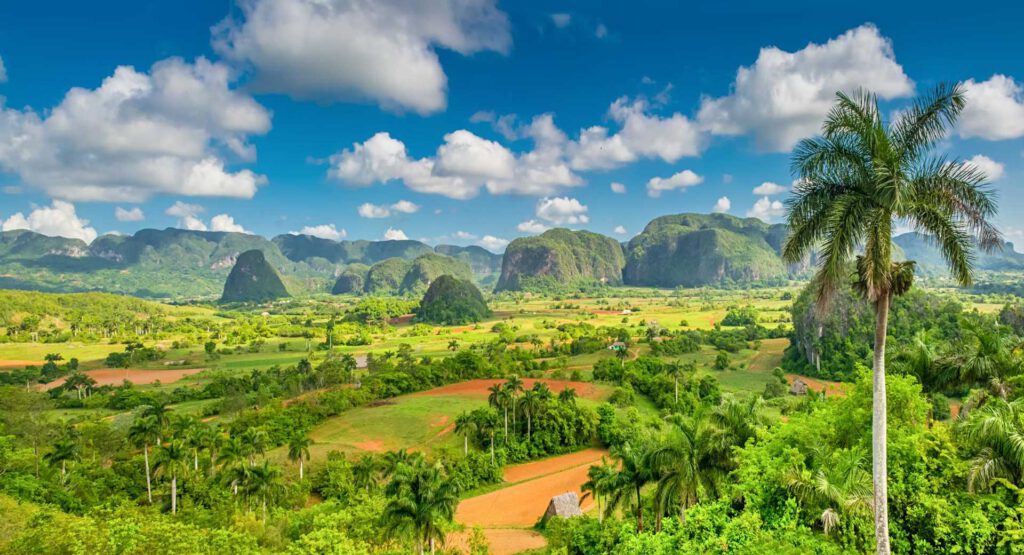
Panorama of the Viñales valley, green fields and mogotes
Responsible travel

Cuba, naturally sustainable

1990sthe birth of urban organic gardens
UNESCOViñales, Zapata and Humboldt park
Solarphotovoltaic parks across the island
Sign for an endemic species on the El Yunque trail, above Baracoa

Organiclocalsolar
Cuba’s transition

An island growing greener

Organic gardens in the citythe organopónicos, born in the 1990s
The sun as tomorrow’s energysolar parks are being built nationwide
Widely protected naturebiosphere reserves and UNESCO sites
Day to day

The transition in everyday life

Organopónicosurban gardens grown without chemical fertilisers
Solar parksgoal: more renewable electricity, from the sun and the wind
Electric tricyclese-bikes, bicycles and walking for short trips
Generator or solarin most places to stay
Tarea Vidathe national climate change plan, since 2017
Our commitments

AzuuucA, a responsible travel agency

01In every tripResponsible tourism shapes how we design each itinerary, not just one excursion.
02Local firstCasas particulares, family businesses and local guides, whenever quality and safety allow.
03Respect for the islandIts nature, its culture and the people who welcome you.
04Always improvingWe advise our travellers before, during and after the trip, and review our practices regularly.
Protected areas

Three treasures to look after

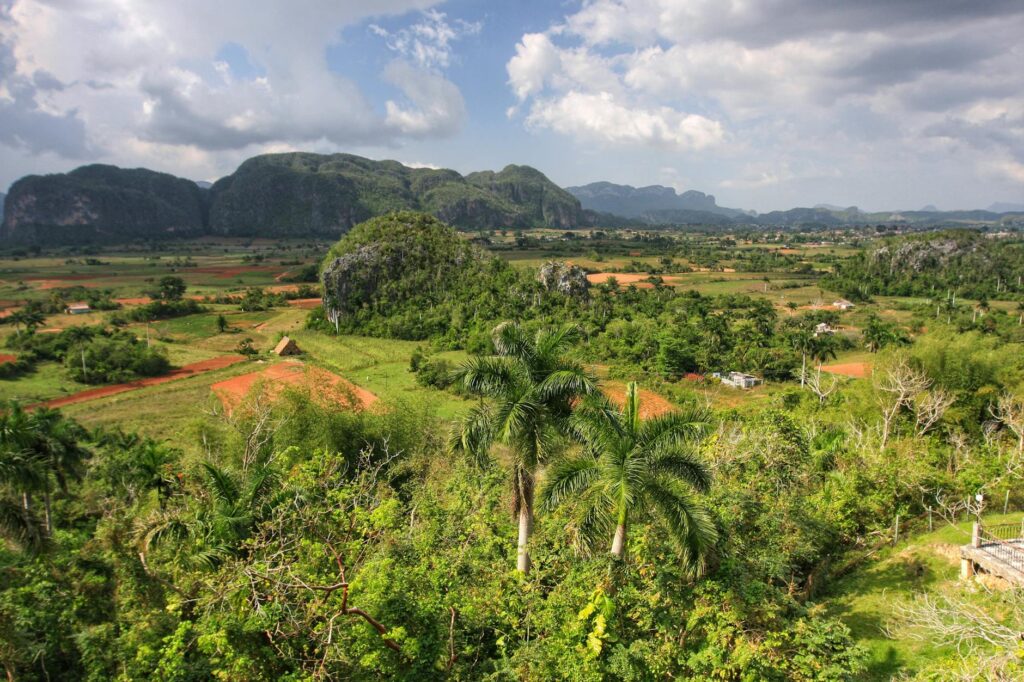
Landscape of the Viñales valley
Viñales valleya World Heritage cultural landscape
UNESCO 1999
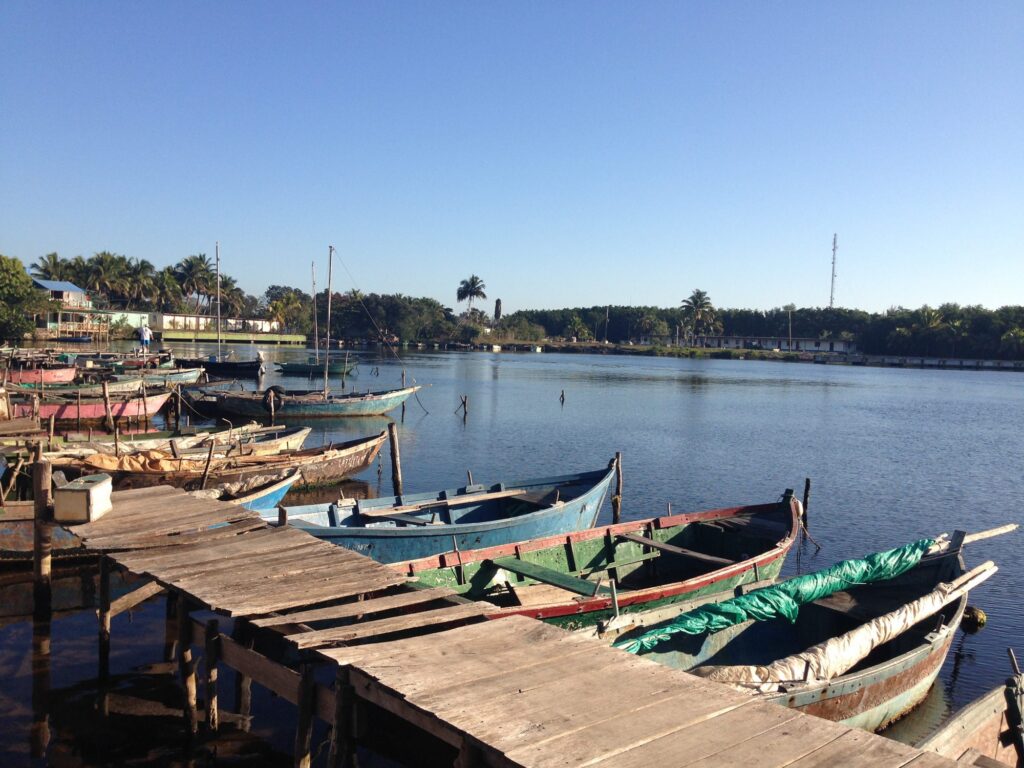
Fishing boats at the Playa Larga jetty
Ciénaga de Zapatathe largest wetland in the Caribbean
Biosphere 2000
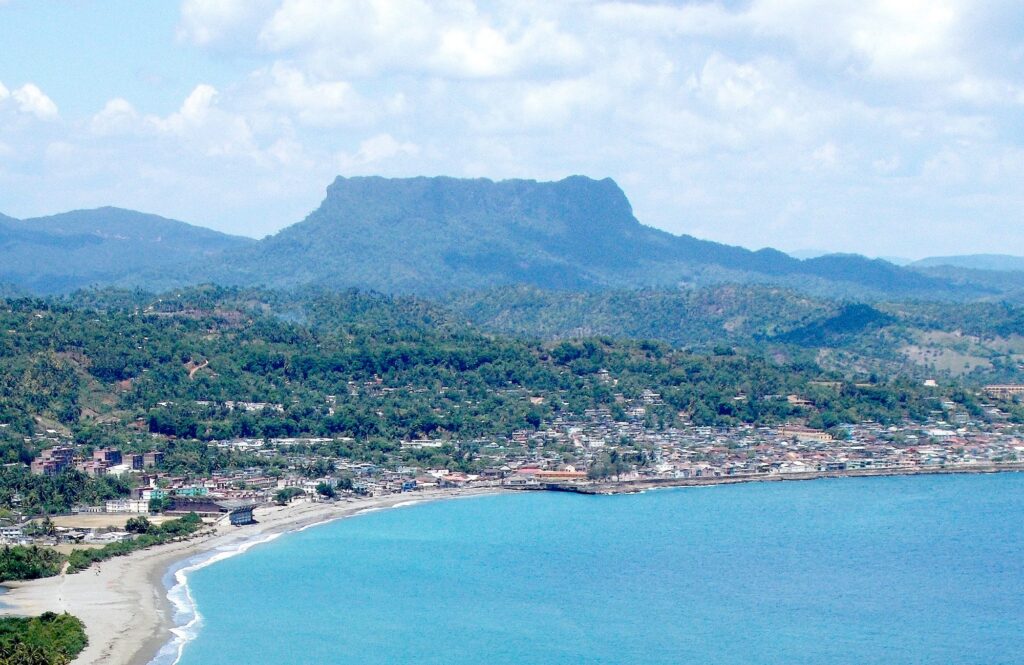
The bay of Baracoa and El Yunque mountain
Alejandro de Humboldt parkforests and endemic wildlife, near Baracoa
UNESCO 2001

The great outdoors in detail: Cuba for nature lovers →
Under the sea

Some of the best-preserved reefs

By dive cruise onlyReef sharks, giant groupers, pristine waters.
700fish species
In Cuban watersTo see diving or with mask and snorkel.
Yearsfor a coral
Time to recoverA brushed coral regrows very slowly: look, don’t touch.

Diving in Cuba → · Snorkelling in Cuba →

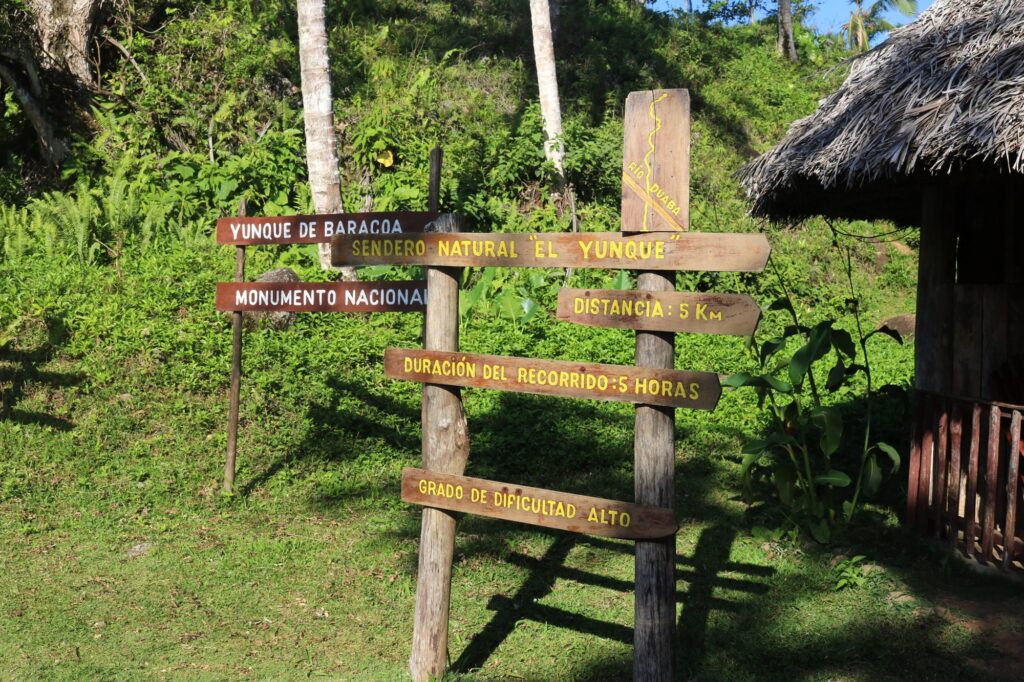
Signposts on the El Yunque trail, near Baracoa
Our tip

Shells and coral stay on the beach: take photos home instead

Living room of a Cuban guesthouse
Staying with locals
“

In a casa particular, you stay with a Cuban family and eat produce from the local market.

A

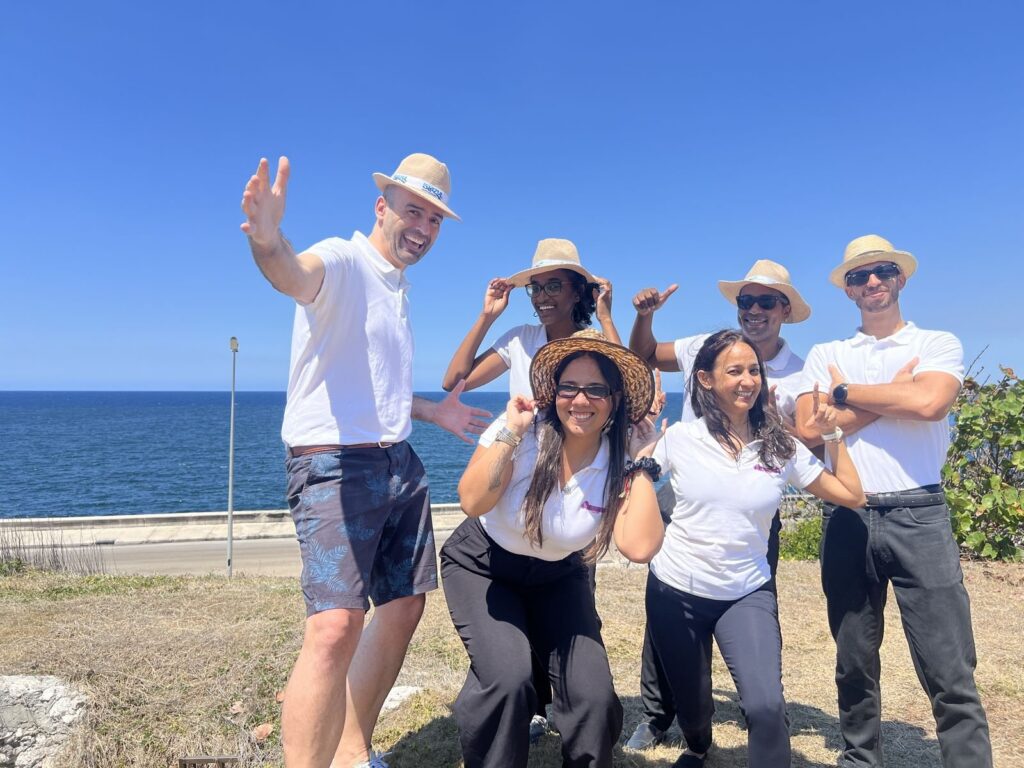
AzuuucAOur team in Havana
Family welcomeHome cookingNeighbourhood tips
Travel light

Travelling light in Cuba

Breakfast table set in the patio of a guesthouse
In your suitcase

Filter water bottleReef-friendly sunscreenCloth bagTorch and power bank
On the spot

Casas particularesLocal, seasonal foodLocal guide in parks
With wildlife

Keep your distanceCoral: look onlyTurtles: let them pass
+For souvenirs: rum, coffee, cigars or local crafts.

The full list: your Cuba packing list →

The AzuuucA team in Havana
Our approach
“

Responsible tourism is not one excursion among others: it guides the way we organise every trip.

A

AzuuucAOur team in Havana
Trips designed locallyReal encountersA positive footprint
Good to knowBring US dollars in cash: Visa and Mastercard suspended since June 2026.Small notes, changed as you need them. Money and budget →
Good to knowBottled or boiled water: a filter bottle cuts down on plastic.Refill it at your hosts’ home.
Good to knowPower cuts can happen: keep a torch and a charged power bank.Safety in Cuba →

Your questions about responsible travel

How does AzuuucA practise responsible tourism?

In every trip we design: we favour casas particulares, family businesses and local guides whenever quality and safety allow, we promote respect for nature and culture, and we advise our travellers before, during and after their stay. Bike tours, nature parks and farm visits are good ways to experience it.

What is an organopónico?

It is an urban vegetable garden farmed organically, often in raised beds. Organopónicos were born in the 1990s, during the Special Period, when fertiliser and fuel were scarce. They supply fresh vegetables to the surrounding neighbourhoods.

Is Cuba developing renewable energy?

Yes. Solar photovoltaic parks are being built across the country, with the goal of significantly increasing the share of renewable electricity. Meanwhile, power cuts are long and daily, especially outside Havana: bring a torch and a power bank.

Which natural areas are protected in Cuba?

Among the best known: the Viñales valley, a World Heritage site since 1999; the Ciénaga de Zapata, a biosphere reserve since 2000 and a Ramsar wetland; and Alejandro de Humboldt park, listed by UNESCO in 2001. Near Cayo Santa María, the Buenavista biosphere reserve has been recognised since 2000.

How can you visit Jardines de la Reina?

Only on a 7-night dive cruise. You will meet reef sharks and giant groupers in very well-preserved waters. We advise you on the right option for your level.

Can you drink tap water?

We recommend bottled or boiled water, ice included. A filter bottle is a good idea: it saves piling up plastic bottles.

Can you take shells or coral home?

We recommend leaving them where they are: they are part of the reef and the beach. For souvenirs, choose rum, coffee, cigars or local crafts.

Why choose a casa particular?

You stay with a Cuban family, in a small, welcoming guesthouse. Breakfast is homemade, and your hosts share their favourite local spots.

How do you pay during the trip?

In US dollars, in cash: Visa and Mastercard cards have been suspended in Cuba since June 2026. Bring small notes; whatever can be paid in advance is settled with us before you leave.


L’équipe AzuuucA à La Havane
Free adviceNo commitment, no feeReply within 24 hOur team lives in HavanaA tailor-made responsible trip?Our team is based in Havana. Reply within 24 h, in English, French, Spanish and Portuguese.

Related terms

Tipping in CubaSpecial PeriodJardines de la Reina (Gardens of the Queen)Zapata SwampCasa particular