

Cuba encyclopedia · Daily life
Neighbourhood life
BarrioSpanish for neighbourhood
Open doorsfrom street to living room
Eveningswhen everyone comes out

In short
The street as an extension of home
Close-knit neighbourseveryone knows and helps each other
Life outdoorsdoorsteps, balconies and street corners
Familiar soundsmusic, vendors’ calls, dominoes
Street scenes
A day in the barrio

Street vendorsfruit, bread or brooms, announced in song
morning

Balconies and doorstepsneighbours chat from house to house
afternoon

Domino tablesneighbours play in teams
evening
“
Stay in a casa particular and take time for a coffee on the doorstep: the neighbourhood will come to you.
A
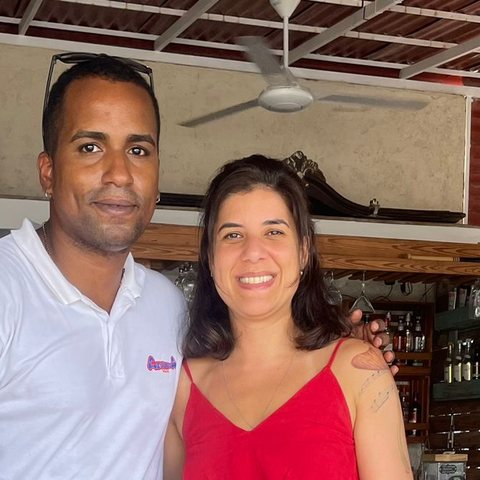
AzuuucAOur team in Havana
Casa particularCoffeeNeighbours
Go further
Read next

Centro HabanaThe lively working-class heart of Havana.Read the entry →

HavanaOld town, Malecón and live music.Things to do in Havana →

Cuba practical informationInternet, plugs, health: the right habits.Read the guide →
Your questions
What does “barrio” mean in Cuba?
It means neighbourhood, but also the community living there. For Cubans, “mi barrio” brings to mind neighbours, childhood friends and strong solidarity.
What are street vendors calling out?
These are “pregones”, sung calls to sell fruit, bread or small services. The tradition inspired famous songs such as “El manisero”.
Where can you feel neighbourhood life in Havana?
Above all in Centro Habana, and in the streets of Old Havana away from the main squares. Staying in a casa particular is the best way to dive in.
Can you stroll freely around the neighbourhoods?
Yes. Cuba is among the safest countries in the region, and locals gladly point the way. Common-sense precautions are enough.

Free adviceNo commitment, no feeReply within 24 hOur team lives in HavanaLive Cuba like a local? Let’s talk about your trip.Message us on WhatsAppOur team is based in Havana. Reply within 24 h, in English, French, Spanish and Portuguese.
 Centro Habana (Central Havana)